Does replacing your roof trigger a Tennessee property tax reassessment? Learn how repairs and improvements are treated, then plan: (615) 647-8320.
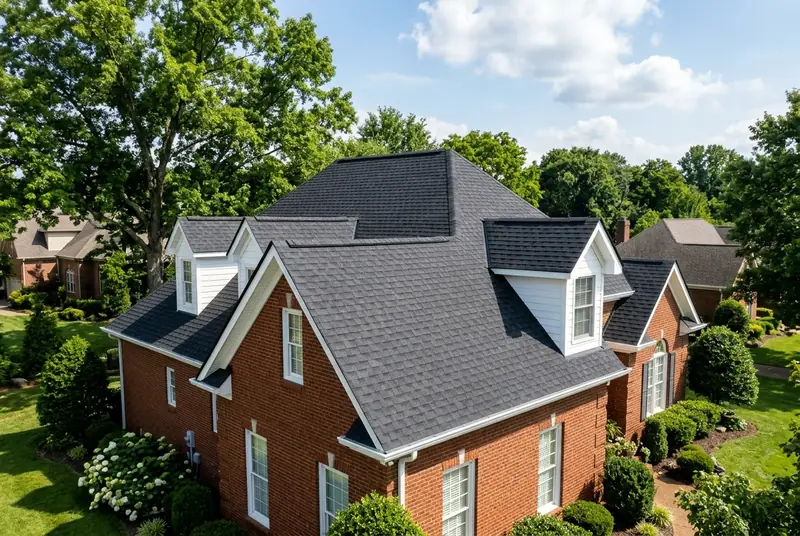
In Sumner County, Tennessee, a standard residential roof replacement does not trigger an immediate property tax reassessment or tax hike. Under Tennessee property tax assessment principles and guidelines enforced by the Sumner County Property Assessor, like-for-like roof replacements — such as removing worn architectural shingles and installing new architectural or Class 4 shingles — are classified as routine maintenance and repair that preserves existing property value rather than creating new taxable square footage.
How Tennessee Property Tax Assessments Actually Work
Property taxes across Tennessee are calculated based on a property's assessed value, determined by the county property assessor. In Sumner County, residential properties are assessed at 25% of their appraised fair market value, multiplied by the combined county and municipal tax rates.
Homeowners frequently worry that pulling a municipal building permit in Hendersonville, Gallatin, White House, Goodlettsville, or Portland will notify the tax assessor and trigger an immediate property tax increase. However, the assessor's office differentiates sharply between normal maintenance expenditures and capital improvements that add new living area or structural capacity.
Maintenance vs. Value-Adding Improvements: What Triggers Reassessment?
To understand how property tax assessments treat roofing projects, review the distinctions below:
- Routine Maintenance (No Immediate Tax Hike): Replacing damaged shingles, installing new underlayment and drip edge, rebuilding rotted decking, and upgrading to Class 4 shingles are considered essential maintenance. These projects protect structural integrity and prevent degradation, but they do not increase the heated square footage or change the physical classification of the residence.
- Structural Additions & Modifications (Tax Adjustment Trigger): If a roofing project alters the home's structural framing — such as raising the roof pitch to frame a finished third-story attic, adding new dormers to create heated bedroom space, or building an enclosed cathedral ceiling over a new addition — the new livable square footage will be added to the tax assessment rolls.
Sumner County Project Scope vs. Property Tax Impact Matrix
The table below illustrates how different residential roofing and exterior improvements are handled by the Sumner County Property Assessor:
| Roofing & Exterior Project Scope | Permit Required? | Immediate Tax Reassessment? | Assessor Classification |
|---|---|---|---|
| Standard Architectural Shingle Replacement Full tear-off and replacement down to decking | Yes (City / County) | No Immediate Hike | Normal Maintenance & Condition Preservation |
| Class 4 Impact-Resistant Upgrade SBS modified impact shingles | Yes (City / County) | No Immediate Hike | Quality Material Replacement (Maintenance) |
| Standing Seam Metal Roof Installation Replacing shingles with concealed clip metal | Yes (City / County) | No Immediate Hike | Durable Material Upgrade (Evaluated in general cycle) |
| Framing Second-Story Addition / Dormers Altering roofline to expand heated living space | Yes (Structural Permit) | Yes (New Sq Footage) | New Construction & Square Footage Expansion |
| Covered Porch Roof Extension Framing new roof over open patio deck | Yes (Building Permit) | Modest Adjustment | Addition of Covered Exterior Amenity Area |
When Does Roof Condition Impact Property Taxes?
While a new roof does not trigger an immediate reassessment, it plays a role during Sumner County's state-mandated cyclical reappraisal cycles. Tennessee counties conduct countywide reappraisals periodically (typically every four to five years) to reset market values across all parcels.
During countywide reappraisals, assessors evaluate mass appraisal data, recent neighborhood sales, and overall property physical condition ratings. A home that has been meticulously maintained with a sound roof, updated mechanicals, and pristine siding will maintain a higher overall grade than an adjacent property with active roof leaks and rotting trim.
Why Pulling a Building Permit Protects You as a Homeowner
Some homeowners mistakenly attempt to avoid building permits under the false belief that skipping permits keeps their roof replacement hidden from tax authorities. In reality, skipping a required building permit carries severe legal and financial risks:
Operating without a permit violates municipal ordinances in Hendersonville, Gallatin, White House, Goodlettsville, and Portland, subjecting property owners to stop-work orders and municipal fines. More importantly, when selling your home, buyers' title companies and home inspectors cross-reference permit records. Unpermitted roof replacements can complicate real estate disclosures and void manufacturer transferable warranty protections.
Municipal Permitting Integrity & Property Documentation
Securing proper municipal building permits from local codes departments (City of Hendersonville, Gallatin, White House, Goodlettsville, Portland, or Sumner County) creates an official public record of professional home maintenance. When you eventually sell your home, prospective buyers' title companies and home inspectors cross-reference municipal permit databases to confirm that major capital renovations were inspected and approved by certified building officials.
A permitted roof replacement confirms that all adopted building codes — including mandatory IRC Section R905 ice barrier membranes in valleys, perimeter metal drip edge installation, and structural decking fastener schedules — were independently inspected. This documented proof of compliance protects homeowner property value and eliminates contentious inspection disputes during future real estate transactions.
Sumner County Property Tax Reassessment Calendar
Understanding the assessment cycle helps Sumner County property owners plan exterior home maintenance with total financial peace of mind:
- Countywide Cyclical Reappraisals: Under Tennessee state law, countywide reassessments occur periodically on a multi-year cycle to recalibrate overall market values across all parcels simultaneously.
- Annual New Construction Reviews: The assessor's office conducts annual reviews strictly for parcels where building permits indicate new heated square footage, commercial expansions, or major outbuilding additions.
- Appealing Property Valuations: If a homeowner believes their property tax appraisal exceeds true fair market value, property owners have the legal right to file an informal appeal with the Sumner County Board of Equalization each spring.
- Preserving Maintenance Receipts: Keep itemized contractor invoices and municipal permit inspection reports in your permanent records to document ongoing home preservation for future resale capital gains calculations.
Frequently Asked Questions About Taxes and Roofing
Yes. Municipal building departments routinely provide monthly permit lists to the county assessor. However, assessor appraisers review permits to identify new square footage and commercial construction; reroofing permits are logged as maintenance and do not trigger individual tax increases.
For a primary residential home, a new roof is classified as a capital home improvement rather than an immediate tax deduction. While you cannot deduct it in the year installed, the cost is added to your tax basis, reducing potential taxable capital gains when you eventually sell the property.
Insurance-funded storm damage replacements have zero impact on property taxes. The insurance proceeds are considered casualty loss compensation designed to restore your home to pre-loss condition, creating no taxable event or tax assessment increase.
Next Steps & Related Roofing Guides
Related Sumner County Roofing Guides: Continue reading Uninsured Roof Replacement Cost in Tennessee: 2026 Prices and Roof Cost Per Square vs. Per Square Foot: How to Compare.