Squirrels and raccoons chew through vents and let water in. See what repairs cost and how metal screens stop repeats. Call (615) 647-8320 to schedule.
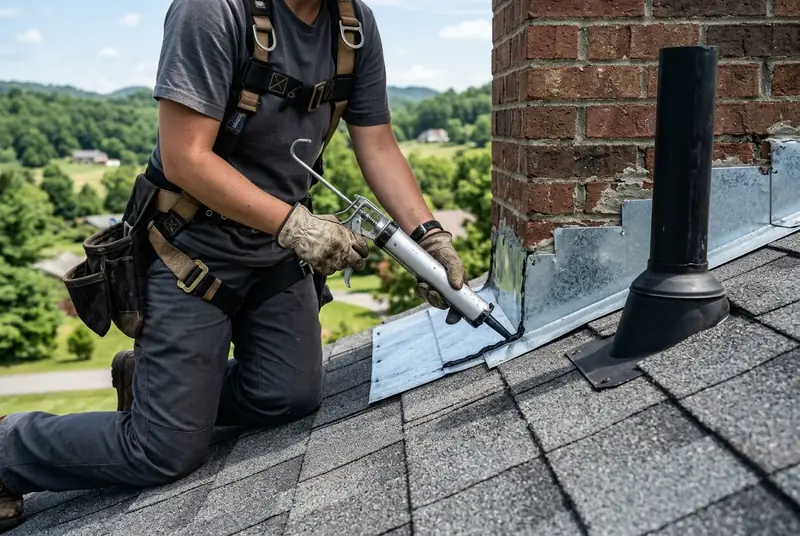
Repairing animal damage to roof vents in Middle Tennessee typically costs between $350 and $950 for isolated repairs — including replacing chewed plastic box vents, installing heavy-gauge galvanized steel wildlife exclusion screens, and repairing damaged shingles. However, if raccoons, squirrels, or bats have nested inside your attic, cumulative costs can escalate to $1,800 to $4,500+ to cover professional wildlife removal, contaminated attic insulation extraction, and biohazard sanitization. Preventing animal intrusion requires replacing vulnerable plastic vents with heavy metal assemblies and installing structural wire exclusion screens.
Common Wildlife Invaders & How They Penetrate Sumner County Roofs
Sumner County's mature hardwood canopies — particularly in established neighborhoods throughout Hendersonville, Gallatin, Goodlettsville, and White House — host abundant wildlife populations. When autumn temperatures drop or spring breeding seasons begin, wildlife actively search for warm attic nesting environments:
- 01
Eastern Gray Squirrels (Chewed Plastic Vents)
Squirrels possess continuously growing incisor teeth that compel them to chew through wood and plastic. Standard contractor-grade plastic turtle box vents and vinyl soffits offer zero resistance; squirrels chew through plastic louvers in under 30 minutes, gaining direct entry into attic rafters.
- 02
Raccoons (Brute-Force Vent Tearing)
Raccoons are powerful, dexterous animals. Female raccoons seeking nesting dens routinely grab aluminum mushroom vents, plastic ridge caps, or bathroom exhaust flappers and rip them entirely off the roof deck, tearing shingles and splintering plywood sheathing in the process.
- 03
Bats (Gable & Ridge Penetrations)
Tennessee is home to several protected bat species (including the Little Brown Bat and Big Brown Bat). Bats require an opening of only 3/8 inch to enter an attic. Common entry points include warped ridge vent ends, gaps behind fascia trim, and unsealed gable louver vents.
- 04
Birds & Starlings (Exhaust Vent Nesting)
Birds frequently build nests inside kitchen and bathroom exhaust duct terminations, jamming the damper doors open, creating severe fire hazards, and introducing bird mites into household living spaces.
Cost Breakdown: Repairing Roof Animal Damage & Exclusion Screening
The table below details real-world repair and remediation costs across Sumner County:
| Damage Scope & Repair Component | Typical Price Range | Required Materials & Labor | Long-Term Prevention Strategy |
|---|---|---|---|
| Replacing Chewed Plastic Box Vent Single static vent replacement | $350 – $550 | New 26-gauge galvanized steel vent + new shingles | Upgrade all plastic vents to heavy-gauge metal |
| Galvanized Steel Exclusion Screens Heavy wire mesh over vents & pipes | $250 – $450 (Per vent) | 1/4-inch 19-gauge hot-dipped galvanized mesh cage | Chew-proof mechanical barrier stops re-entry |
| Soffit / Fascia Penetration Repair Chewed eaves & rafter tails | $450 – $850 | New cedar/treated fascia board + aluminum wrap | Trim overhanging tree branches back 10 feet |
| Wildlife Trapping & Removal Licensed wildlife professional | $350 – $750 | One-way exclusion doors + humane live trapping | Mandatory before sealing roof entry holes |
| Attic Sanitization & Insulation Replacement Severe contamination cleanup | $1,500 – $4,500+ | HEPA vacuuming, biohazard enzyme, new R-38 blow-in | Restores thermal efficiency; eliminates pheromones |
The Critical Sequence: Wildlife Removal BEFORE Roof Sealing
A catastrophic mistake homeowners make is hiring a roofer to immediately seal an animal hole while wildlife remains inside the attic:
If a mother raccoon or squirrels are trapped inside an attic without an escape route, they will violently chew through drywall ceilings, claw through HVAC ductwork, and gnaw on electrical wiring — creating immediate electrical fire hazards. In worst-case scenarios, trapped animals die inside wall cavities, causing overwhelming decomposition odors and biohazard contamination.
Always follow the two-stage protocol: hire a licensed Tennessee wildlife control operator to install one-way exclusion funnels or trap and remove all animals first. Once the wildlife operator certifies that the attic is completely vacant, a licensed roofing contractor immediately repairs the roof decking, replaces damaged shingles, and installs permanent galvanized steel exclusion caps.
Does Homeowner Insurance Cover Animal Roof Damage?
Standard Tennessee homeowner insurance policies maintain strict exclusions regarding animal damage:
Most policies explicitly exclude damage caused by "rodents, birds, insects, or vermin." This means the insurance carrier will not pay to replace chewed plastic vents or remove squirrels. However, standard policies often cover resulting sudden secondary damage — such as a home electrical fire ignited by chewed wires or sudden structural water damage if a raccoon tears a hole that allows a torrential rainstorm to flood ceilings.
Sumner County Wildlife Intrusion Prevention & Steel Shielding
Sumner County's mature hardwood corridors, particularly in Hendersonville, Gallatin, and along the Highland Rim, support dense populations of grey squirrels, raccoons, bats, and woodpeckers seeking warm attic nesting harborage:
- Lead Boot & Neoprene Collar Gnawing: Squirrels routinely sharpen their incisors on soft lead plumbing soil-stack flashings or chew through UV-degraded neoprene rubber pipe collars, opening direct pathways for rain to run down internal vent stacks into ceiling cavities.
- Plastic Turtle Vent Compromises: Thin plastic static roof vents are easily gnawed or pried apart by raccoons. Upgrading to heavy-gauge galvanized steel turtle vents or powder-coated aluminum low-profile dome vents prevents animal breach.
- Heavy Galvanized Hardware Cloth Barriers: Custom internal soffit returns and ridge vent exhaust channels should be reinforced with 1/4-inch heavy-gauge galvanized steel hardware cloth mesh secured with exterior-rated steel fasteners to block rodent entry while preserving full Net Free Vent Area (NFVA).
- Soffit and Rafter Framing Inspections: Once animals breach an attic, technicians inspect wooden fascia boards, rafter sub-framing, and blown-in insulation to ensure structural soundness and eliminate moisture-trapping nesting debris.
Frequently Asked Questions About Roof Animal Damage
Squirrels cannot chew through 26-gauge galvanized steel or heavy 1/4-inch steel hardware mesh. They easily chew through thin vinyl and plastic vents, and can scratch through lightweight aluminum. Always specify heavy galvanized steel roof accessories for wildlife protection.
Tree limbs should be trimmed back at least 10 feet from all roof planes. Squirrels can jump 8 to 10 feet horizontally from branch to roof. Trimming limbs eliminates the animal runway, stops mechanical branch scraping on shingles, and prevents leaves from choking gutters.
Under Tennessee Wildlife Resources Agency (TWRA) regulations, bats are protected species. It is illegal to exterminate bats or exclude them during their maternity season (typically May 1 through August 1) when flightless pups would starve inside the attic. Bat exclusions must be timed outside this window using approved one-way valves.
Next Steps & Related Roofing Guides
Related Sumner County Roofing Guides: Continue reading Chimney Flashing Leaks: Causes and Permanent Fixes and Ice Dams in Tennessee Roofs: Causes and How to Prevent Them.