Is your skylight leaking from bad flashing or a failed seal? Learn how to tell, and which fix costs less. Book a skylight leak check: (615) 647-8320.
When a residential skylight leaks in Tennessee, the primary decision is whether to rebuild the surrounding metal flashing or replace the entire skylight unit. If the skylight is under 10 to 12 years old, features uncracked double-pane insulated glass, and the leak stems from degraded step flashing, installing a new engineered flashing kit ($650 to $1,200) provides a permanent cure. However, if the skylight is 15+ years old, exhibits cloudy glass seal failure, or has a cracked acrylic dome, replacing the entire skylight ($1,800 to $3,200 installed) is the only reliable engineering solution.
The 3 Primary Failure Modes of Residential Skylights
Skylights penetrate the roof deck at an angle that catches maximum direct rain and thermal expansion. When water enters around a skylight well, a professional inspection pinpoints which of three primary failure mechanisms has occurred:
- 01
Flashing & Underlayment Failure (90% of Leaks)
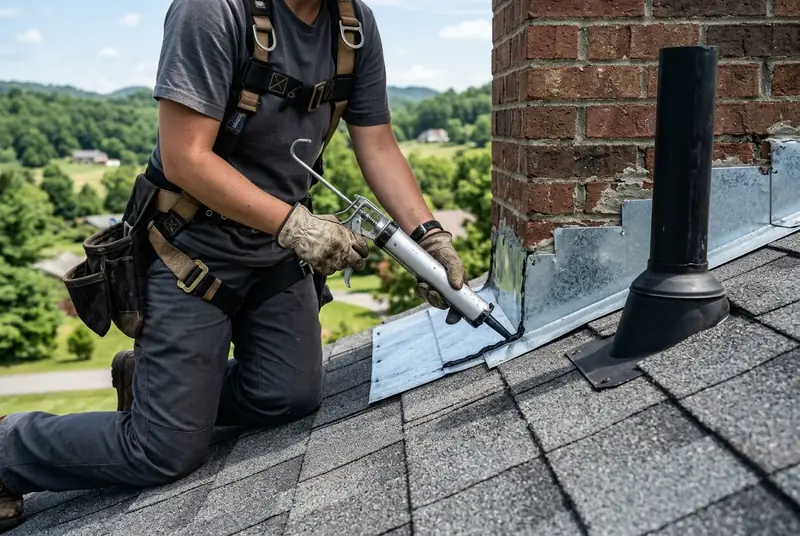
The vast majority of skylight leaks are not caused by the glass itself, but by the surrounding flashing system. Low-grade roofers often seal skylights with cheap asphalt roof cement or surface caulk rather than installing an engineered step-flashing kit. Over 5 to 8 years, Middle Tennessee thermal cycling cracks the tar, allowing wind-driven rainwater to seep behind the curb.
- 02
Insulated Glass Seal Failure (Condensation vs. Leak)
Double-pane glass skylights are hermetically sealed with argon gas between panes. Over 15 to 20 years of intense summer solar heat, the perimeter butyl seals degrade, allowing moist air between the panes. This creates permanent milky condensation, fogging, and dripping water that mimics an active roof leak.
- 03
Frame Degradation & Acrylic Dome Cracking
Older acrylic bubble skylights become brittle under ultraviolet radiation. Hailstones as small as 1.0 inch can shatter or micro-crack acrylic domes. Additionally, older wooden curb frames frequently suffer fungal dry rot around corners, allowing water to bypass the glass gaskets entirely.
Comparison Matrix: Flashing Repair vs. Full Skylight Replacement
The table below contrasts the financial and structural considerations of repairing flashing versus replacing the entire skylight unit:
| Diagnostic Factor | Flashing Rebuild Only | Complete Skylight Replacement | Recommended Course of Action |
|---|---|---|---|
| Skylight Age | Under 10 – 12 Years Old | 15 – 25+ Years Old | Never re-flash a 15+ year old skylight during a reroof |
| Glass Condition | Clear, uncracked, argon seal intact | Fogged, milky, condensation between panes | Seal failure cannot be repaired; requires unit replacement |
| Average Installed Cost | $650 – $1,200 per skylight | $1,800 – $3,200 per skylight | Replacing during a reroof saves $600–$1,000 in labor |
| Energy Efficiency (U-Factor) | Unchanged (retains existing glass) | Upgraded to Low-E3 argon-filled glass | New units reduce summer attic heat gain by up to 40% |
| Manufacturer Warranty | Workmanship warranty on flashing only | 10-Year "No Leak" manufacturer warranty | New Velux deck-mounted units carry manufacturer flashing warranty (confirm current manufacturer terms in writing) |
| Curb Frame Integrity | Curb must be 100% dry and unrotted | Replaces old wooden curb with insulated unit | Guarantees structural framing soundness |
Why You Should Always Replace Skylights During a Full Roof Replacement
When replacing your entire asphalt shingle or metal roof in Sumner County, leaving 15-to-20-year-old skylights in place is a critical mistake:
To install new shingles around a skylight, roofers must tear off the old shingles, rip out the existing step flashings, and expose the curb. The mechanical vibration and prying forces routinely break the fragile, aged seals of older skylights. If an old skylight begins leaking two years after your new roof is installed, replacing it requires tearing up the brand-new shingles, voiding your new roof's workmanship warranty around the skylight well, and incurring substantial labor surcharges.
Modern deck-mounted skylights (such as Velux "No Leak" skylights) utilize three layers of water protection: a deck-seal membrane, a self-adhering adhesive underlayment wrap, and an engineered aluminum step-flashing kit with zero exposed caulk.
Energy Efficiency: Upgrading to Low-E3 Glass
Older clear skylights function like magnifying glasses, radiating intense solar heat into living rooms and driving up summer cooling expenses across Middle Tennessee:
Modern replacement skylights feature dual-pane Low-E3 glass with advanced spectrally selective coatings that block up to 73% of solar heat gain while admitting 65% of visible natural light. Furthermore, qualifying energy-efficient skylights may qualify for federal residential clean energy tax credits, offsetting a significant portion of replacement costs.
Integrated Step Flashing, Saddle Diverters & Condensation Management
Diagnosing skylight moisture intrusion requires distinguishing between exterior water penetration and internal thermal dew-point condensation, particularly in humid Middle Tennessee microclimates:
- Interwoven Step Flashing Overlap: The perimeter base of a curb-mounted skylight relies on individual L-shaped step flashing pieces interlaced between every consecutive course of shingles. If installers rely solely on surface caulking rather than mechanical metal shingling, thermal expansion breaks the adhesive bead within two to three seasons.
- Crickets and Saddle Diverters on Uphill Curbs: Skylight units measuring 30 inches or wider that face uphill slopes create miniature dams. Properly installed roofs incorporate a pitched metal saddle or crickets behind the curb to divert running stormwater around both sides toward lower gutters.
- High-Humidity Dew-Point Condensation: In bathrooms or master suites with vaulted ceilings, warm humid indoor air contacting cold skylight glazing in January often condenses and drips down interior drywall channels, mimicking a roof leak despite a perfectly watertight exterior flashing seal.
- Curb Wrap Membrane Protection: Self-adhering high-temperature ice and water barrier membranes should extend a minimum of 4 to 6 inches up the vertical wooden skylight curb before metal flashing caps are fastened.
Frequently Asked Questions About Skylights
No. Caulking the exterior frame is a temporary band-aid that almost always fails. It blocks natural weep channels designed into the skylight frame, trapping water inside the unit and accelerating wood rot around your ceiling drywall. Leaks must be resolved mechanically through proper flashing integration.
Yes. If hail cracks the glass, fractures an acrylic bubble dome, or severely dents surrounding metal flashing frames during a covered storm event, the insurance carrier covers replacement under dwelling storm coverage, subject to your policy deductible.
A curb-mounted skylight sits on a site-built 2x4 or 2x6 wooden box (curb) built on the roof deck, resembling a shoebox lid. A deck-mounted skylight features an integrated factory-insulated frame that fastens directly to the plywood roof deck, providing a sleeker, lower exterior profile and superior thermal efficiency.
Next Steps & Related Roofing Guides
Related Sumner County Roofing Guides: Continue reading Ice Dams in Tennessee Roofs: Causes and How to Prevent Them and Can You Repair a Roof in the Rain? What Crews Really Do.