Active leak during a storm? Learn what emergency tarping can do in the rain and what waits for dry weather. Need help now? Call (615) 647-8320.
Yes, emergency roofing crews can stabilize an actively leaking roof in the rain, but they perform temporary mechanical water mitigation — not permanent asphalt shingle repairs. In wet conditions, asphalt adhesives cannot bond, wood decking is saturated, and climbing steep slopes poses severe safety risks. Emergency crews deploy heavy-duty woven poly tarps, mechanically secure wooden furring batten strips, apply wet-surface rubberized mastic around flashings, and set up interior catch basins until weather clears for permanent, code-compliant restoration.
The Physics of Rain Repairs: Why Permanent Shingle Work Must Wait
When an active storm is battering Sumner County, homeowners experiencing ceiling leaks naturally want an immediate permanent fix. However, performing permanent asphalt shingle repairs during active rainfall is physically impossible and violates manufacturer installation guidelines:
- Thermal Sealant Strip Failure: Asphalt shingles rely on a factory-applied strip of heat-activated asphalt sealant along their lower edge. This thermal adhesive requires clean, dry surfaces and direct solar warmth (temperatures above 45°F to 50°F) to activate. Installing shingles on wet decking prevents adhesion, leaving the new shingles vulnerable to immediate blow-off.
- Trapped Moisture in Wood Decking: Installing underlayment or shingles over wet plywood or OSB sheathing traps moisture inside the roofing assembly, fostering wood rot, fungal decay, and structural delamination.
- Fall Safety Hazards: Wet moss, algae, and wet asphalt granules reduce foot traction to zero. Professional roofing crews follow strict OSHA 1926 Subpart M safety regulations, utilizing specialized fall arrest harnesses, ropes, and ladder stabilizers for emergency stabilization.
The 4-Step Emergency Triage Sequence Used by Disaster Crews
When emergency crews dispatch during severe Middle Tennessee storms, they execute a rapid stabilization protocol designed to halt interior water entry:
- 01
Interior Attic Triage & Catch Basins
Technicians inspect the attic space first to pinpoint the exact rafter entry point. Because water often enters through a ridge or valley and travels 15 feet down a rafter before dripping onto living room drywall, identifying the true roof penetration point is critical. Temporary catch basins and diversion hoses are deployed.
- 02
Deploying Heavy-Duty Reinforced Poly Tarps
Crews utilize commercial-grade, UV-resistant 10-mil to 12-mil woven poly tarps. The tarp must extend over the roof ridge to prevent wind-driven rainwater from running underneath the top edge of the tarp.
- 03
Mechanical Furring Strip Anchoring
Sandbags or loose bricks on a tarp will slide off in high winds. Professional crews roll the edges of the tarp around 1x2 or 2x4 wooden furring strips and fasten them through the shingles into the roof deck, creating a tight, wind-resistant mechanical seal that withstands 50+ mph storm gusts.
- 04
Applying Wet-Surface Rubberized Mastic
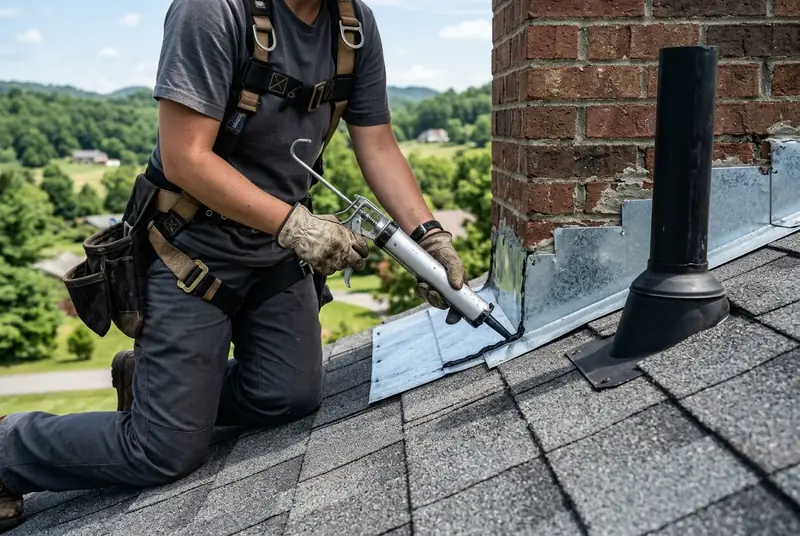
Around plumbing pipe vent collars, chimney bases, and sidewall flashings, crews apply specialized wet-surface polymer-modified mastic (such as elastomeric flashing cement formulated to cure underwater), temporarily plugging active penetration holes until permanent metal flashing can be installed.
Comparison Matrix: Emergency Rain Mitigation vs. Permanent Repair
The table below contrasts emergency storm response against scheduled permanent restoration:
| Operational Stage | Emergency Wet Weather Triage | Permanent Scheduled Restoration | Primary Homeowner Outcome |
|---|---|---|---|
| Weather Condition | Active rain, high winds, immediate leak | Dry weather, ambient temp > 45°F | Stabilizes emergency first; repairs permanently second |
| Primary Objective | Halt water ingress into living areas | Restore code-mandated water-shedding barrier | Protects drywall, hardwood floors, and electrical |
| Materials Deployed | 10-mil poly tarps, wood battens, wet mastic | New architectural shingles, synthetic felt, metal | Permanent 20-to-25-year manufacturer-warranted system |
| Decking Inspection | Cannot inspect soaked decking beneath | Full tear-off, rotted wood cut out & replaced | Guarantees structural deck strength per IRC R905 |
| Insurance Coverage | Covered under "Reasonable Mitigation" clause | Covered under primary Dwelling coverage scope | Tarping invoice is reimbursed by insurance carrier |
Homeowner Insurance Reimbursement for Emergency Tarping
Standard Tennessee homeowner insurance policies contain a mandatory "Duties After Loss" clause requiring property owners to take reasonable steps to prevent further damage. When you hire a professional roofing company to perform emergency tarping, retain the itemized emergency invoice and photographic proof:
Insurance carriers routinely reimburse the full cost of emergency tarping and temporary dry-in services as part of the overall storm damage claim settlement. Failing to tarp an active leak point can lead carriers to deny subsequent interior mold and drywall restoration claims due to homeowner neglect.
Sumner County Contractor Licensing & Storm Dispatch
During severe weather emergencies in Hendersonville, Gallatin, White House, Goodlettsville, or Portland, ensure the emergency crew is an established local licensed contractor rather than an itinerant out-of-state storm chaser. Under Tennessee law, roofing contracts totaling $25,000 or more legally require a licensed General Contractor (BC or BC-A).
Furthermore, state law strictly prohibits contractors from offering to pay, waive, rebate, or absorb your insurance deductible. Working with an established local contractor ensures your emergency tarping transitions seamlessly into a permitted, code-compliant permanent restoration.
Sumner County Emergency Storm Protocol & Dry-In Standards
When severe line squalls or nocturnal tornado warnings track across Sumner County, emergency roofing crews follow strict stabilization protocols to halt active water entry without compromising roofer safety or voiding manufacturer component warranties:
- Rope-and-Harness Anchor Systems: Crews never traverse wet, slick asphalt shingles or standing-seam metal on pitches above 4/12 without temporary fall-arrest ridge anchors and certified dynamic safety ropes.
- Mechanical Batten Tarping: Emergency tarps are secured using 1x2 or 2x4 lumber battens screwed into structural rafters through the tarp edges along ridges and rakes. Sandbags or loose perimeter weights are avoided because high wind gusts exceeding 45 mph can displace them, turning loose items into hazardous airborne debris.
- ASTM D4586 Wet-Surface Flashing Cements: While standard asphalt mastic fails when applied over standing puddles, specialized wet-surface flashing mastics formulated under ASTM D4586 Type I or II displace water molecules to form temporary seals around split pipe boots, cracked chimney saddles, and popped perimeter nails until sunlight permits permanent repairs.
- Coordinating with Local Building Authorities: Permanent restorative repairs requiring decking replacement or structural rafter sistering must follow municipal permitting processes once weather systems clear Sumner County.
Frequently Asked Questions About Rain Repairs
A professionally secured heavy-duty poly tarp can safely protect a roof for 30 to 90 days while insurance scopes are settled and municipal building permits are pulled. However, tarps degrade under intense ultraviolet sunlight and should be replaced with permanent roofing as soon as weather permits.
We strongly advise homeowners never to climb onto a wet roof during a storm. Wet shingles are extraordinarily slick, wind gusts can catch tarps and throw you off balance, and lightning represents an extreme hazard. Focus on interior water containment and call a professional emergency roofing crew.
Professional crews nail furring strips through shingles that are already damaged and destined for replacement during the permanent reroof. When the weather clears and permanent restoration begins, all punctured shingles and underlayment are completely stripped down to clean wood decking.
Next Steps & Related Roofing Guides
Related Sumner County Roofing Guides: Continue reading Chimney Flashing Leaks: Causes and Permanent Fixes and Ice Dams in Tennessee Roofs: Causes and How to Prevent Them.