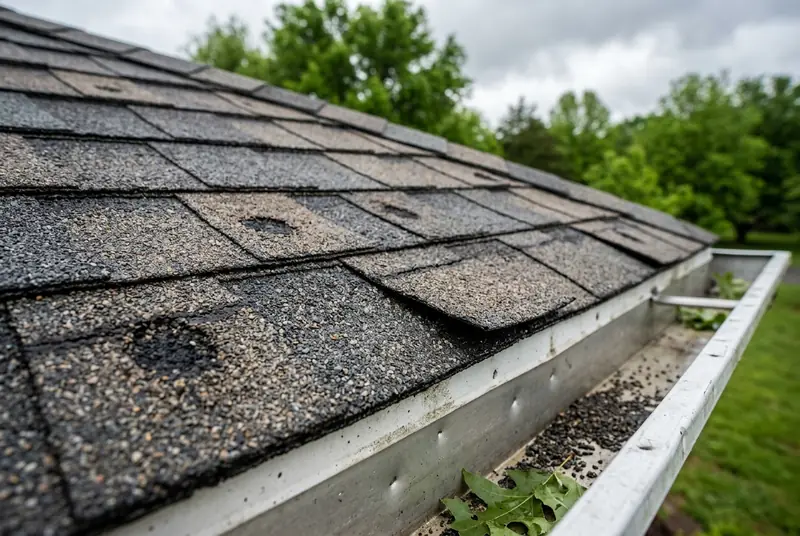
Worried a roof claim will cost you your policy? See how Tennessee non-renewal rules and carrier risk work, then weigh your options. Ask us: (615) 647-8320.
Under Tennessee insurance principles and standard carrier underwriting guidelines, insurance companies generally cannot cancel or drop your homeowner policy solely for filing a single weather-related storm damage claim (an "Act of God"). Because tornadic wind and convective hail are natural disasters outside of homeowner control, carriers cannot legally penalize a policyholder for storm losses. However, multiple claims within a three-year period, severe deferred maintenance, or broad regional carrier rate adjustments can impact policy renewals.
The Legal Difference Between "Act of God" Claims and Maintenance Claims
When evaluating claim risk, insurance underwriters draw a fundamental distinction between two categories of property damage:
- Acts of God (Weather-Related Storm Damage): Convective hail squalls, straight-line wind gusts, fallen trees during windstorms, and tornadoes are classified as unpreventable natural events. Filing a legitimate hail or wind claim does not signal homeowner negligence, and Tennessee regulations protect consumers from punitive single-claim cancellations resulting from nature.
- Maintenance & Negligence Claims: In contrast, claims arising from long-term deferred maintenance — such as a slow pipe leak that rots subflooring over six months, chronic moss growth rotting roof decking, or preventable appliance failures — suggest poor property upkeep. Carriers frequently non-renew policies that exhibit repeated maintenance claims.
Will My Homeowner Insurance Premiums Increase After a Roof Claim?
While a carrier cannot single out an individual homeowner and increase their specific premium solely because they filed an Act of God claim, insurance companies adjust baseline rates across entire zip codes, counties, or geographic regions based on aggregate catastrophe losses:
If a severe hail swath damages thousands of roofs across Sumner County, the carrier may file for a general rate revision with the Tennessee Department of Commerce and Insurance (TDCI). In that scenario, rates increase across the entire area for all policyholders — including homeowners who never filed a claim. Consequently, if your roof suffered legitimate hail damage, failing to file out of fear of rate hikes means you may pay higher regional premiums anyway without receiving the new roof your policy entitles you to.
Claim History vs. Policy Renewal Risk Matrix
The table below illustrates how different claim scenarios affect homeowner policy standing across Tennessee:
| Claim Scenario | Carrier Cancellation Risk | Direct Premium Impact | Underwriting Assessment |
|---|---|---|---|
| Single Weather Claim (Hail/Wind) First storm claim in 5+ years | Very Low / None | No individual surcharge; subject to regional baseline rates | Act of God / Standard covered peril |
| Multiple Weather Claims (2+ in 3 Years) Repeated storm damage filings | Moderate Risk | May lose "claim-free" discount; possible deductible increase | High geographic exposure / Underwriting scrutiny |
| Water Damage from Deferred Maintenance Leaking pipe or rotted roof ignored | High Risk | Significant surcharge or non-renewal notice | Homeowner negligence / Moral hazard risk |
| Inquiry Without Filing a Claim Calling agent to ask about coverage | None | Zero impact (ensure agent logs as inquiry, not claim) | Informational inquiry only |
What is a Comprehensive Loss Underwriting Exchange (CLUE) Report?
Every insurance claim filed in the United States is recorded in a national database known as the Comprehensive Loss Underwriting Exchange (CLUE) report. Maintained by LexisNexis, CLUE reports track insurance loss history for seven years across both the property address and the individual policyholder.
When purchasing homeowner insurance on a new property or shopping for competitive carrier rates, insurers pull the property's CLUE report. Having a documented roof replacement on record with proper permits and inspections often works in your favor, confirming to new carriers that the home has a brand-new, code-compliant roof.
Why You Should Have an Inspection Before Opening a Claim
To protect your claims history, always have a trusted local roofing contractor perform an inspection before calling your carrier:
If you call your insurer to "report a possible leak," the carrier immediately opens an official claim file. If an adjuster subsequently visits and determines that your roof suffered only minor wear or damage totaling $800 — well below your $1,500 or $2,500 deductible — the carrier closes the claim with a "zero payout." However, that zero-payout claim remains recorded on your CLUE report as an open/closed claim event. Having a contractor verify that damage exceeds your deductible prevents unnecessary zero-dollar claim records.
Tennessee Department of Commerce and Insurance Regulatory Protections
Consumer protections under Tennessee insurance statutes provide substantial safeguards for policyholders. The Tennessee Department of Commerce and Insurance (TDCI) regulates property insurance carriers and enforces fair claims handling practices. Under state regulatory standards, insurance companies are prohibited from unfair discriminatory underwriting practices and cannot cancel an individual homeowner policy solely because an Act of God weather event caused physical damage to the property.
However, insurance carriers monitor overall claims frequency. Filing multiple non-weather water claims or having unaddressed deferred maintenance flagged during an exterior inspection can jeopardize coverage. Homeowners can maintain policy standing by addressing minor tree canopy overhangs, keeping gutters clean, and having a licensed contractor perform periodic roof maintenance audits.
Consumer Protection Checklist for Tennessee Policyholders
Protect your insurance standing and homeowner rights throughout the storm claims process with these essential practices:
- Request Formal Denial Letters: If a carrier denies any portion of a storm claim, require a detailed written explanation citing specific policy exclusions and physical inspection findings.
- Invoke the Policy Appraisal Clause if Disputed: Standard homeowner policies contain an "Appraisal Clause" allowing policyholders to resolve scope-of-loss disputes through an independent appraisal umpire panel.
- Consult the TDCI Consumer Division: If you believe a carrier has engaged in bad-faith claims practices or unfair delays, file an inquiry with the Tennessee Department of Commerce and Insurance Consumer Services Section.
- Maintain Thorough Records: Retain copies of all correspondence, adjuster estimate line items, contractor invoices, and municipal building permit inspection sign-offs.
Frequently Asked Questions About Insurance Policy Standing
Under Tennessee law, roofing contractors can document physical storm damage and meet the carrier adjuster on-site to inspect physical conditions. However, contractors cannot negotiate claim settlements or interpret policy language unless separately licensed as a Public Adjuster by TDCI.
Insurance carriers must provide advance written notice prior to policy expiration in accordance with Tennessee policy notice rules and your specific policy terms. Homeowners can shop alternative insurance carriers through an independent insurance broker, or seek coverage through the Tennessee surplus lines market if needed.
No. Under Tennessee state law, contractors are strictly prohibited from paying, waiving, or rebating homeowner insurance deductibles. The policyholder must pay the deductible directly to the contractor; waiving deductibles is classified as insurance fraud under state law.
Next Steps & Related Roofing Guides
Related Sumner County Roofing Guides: Continue reading What to Do After a Hailstorm Hits Your Sumner County Roof and How to Document Roof Storm Damage for an Insurance Claim.