Black streaks on your shingles are algae, not dirt. Learn safe cleaning, zinc strips and shade control, or get a roof checkup at (615) 647-8320.
The dark black streaks on Middle Tennessee roofs are caused by an airborne cyanobacteria known as Gloeocapsa magma — not mold or dirt — while thick green cushions are vegetative bryophyte moss. Fueled by high humidity from Old Hickory Lake and surrounding river basins, algae feeds on the limestone filler in modern asphalt shingles, creating a dark pigmented sheath to protect itself from UV rays. While algae is primarily an aesthetic issue, moss is structurally destructive: its root-like rhizoids lift shingle tabs, hold moisture against wood decking, and cause winter frost heave. Prevention requires copper-infused shingles, proper chemical soft-washing, and zinc mitigation strips.
The Biological Difference: Gloeocapsa Magma Algae vs. True Moss
Homeowners frequently conflate dark roof streaks with moss or mold. In reality, two completely distinct biological organisms colonize residential roofs across Sumner County:
- 01
Gloeocapsa Magma (Black Algae Streaks)
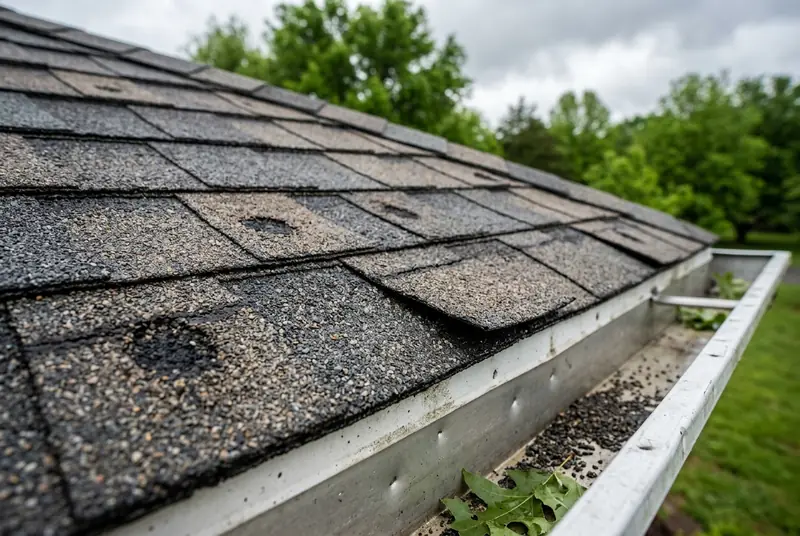
This ancient airborne photosynthetic bacterium travels on wind currents from roof to roof across neighborhoods. It thrives on north-facing and shaded roof planes. To protect its cellular structure from intense ultraviolet solar radiation, the organism secretes a dark, melanin-like pigment sheath. While the dark streaks look unsightly and absorb excess summer heat, algae does not immediately destroy the structural integrity of the asphalt mat.
- 02
Bryophyte Moss (Green Spongy Cushions)
Unlike algae, true moss is an advanced spore-bearing plant. It develops in areas of heavy shade under mature tree canopies. Moss acts like a sponge, retaining gallons of rainwater directly against the shingle surface. Its root-like structures (rhizoids) penetrate between shingle overlaps, prying tabs apart. When winter temperatures freeze, trapped water expands, snapping brittle asphalt tabs and rotting underlying plywood decking.
Comparison Matrix: Algae Streaks vs. Moss Colonization
Review the functional differences and remediation methods for each biological growth:
| Biological Attribute | Black Algae (Gloeocapsa Magma) | Vegetative Green Moss | Recommended Remediation |
|---|---|---|---|
| Physical Appearance | Dark vertical streaks running down slope | Thick, spongy green or yellow cushions | Identify organism before selecting treatment |
| Structural Damage Level | Low to Moderate (Aesthetic / Solar Heat) | Severe (Lifts shingles, rots decking) | Moss must be eradicated to prevent leaks |
| Primary Environmental Cause | Airborne spores + humidity from lake/river | Heavy tree shade + persistent dampness | Trim tree canopy to allow direct sunlight |
| Safe Cleaning Protocol | Low-pressure chemical soft-wash solution | Soft-wash kill treatment + gentle brush | NEVER use high-pressure power washers |
| Long-Term Prevention | Copper/zinc mineral granule shingles | Install copper or zinc flashing strips at ridge | Releases natural metallic ions during rain |
Why You Should NEVER Pressure Wash an Asphalt Shingle Roof
When homeowners see dark stains or moss on their roofs, they often consider hiring a handyman with a pressure washer. This is the single fastest way to destroy an asphalt roof:
High-pressure water streams instantly blast the protective ceramic-coated mineral granules off the shingle surface, gouging deep trenches into the soft asphalt core. Once granules are stripped, the underlying fiberglass mat is exposed to direct ultraviolet radiation, cutting remaining shingle life by 50% to 75% and immediately voiding all manufacturer product warranties.
Professional exterior cleaning companies utilize a chemical "soft-wash" protocol: a dedicated low-pressure pump applies an EPA-approved surfactant and sodium hypochlorite solution (typically 3% to 4% concentration) at less than 60 PSI (garden hose pressure). The solution kills algae spores and moss root structures at the cellular level. Within 20 minutes, the algae dissolves and is gently rinsed away with clear water, leaving the shingle granules completely intact.
Long-Term Prevention: Copper Technology & Zinc Strips
Homeowners can prevent algae and moss from recolonizing their roofs through proven metallic mitigation:
- Algae-Resistant Shingles (Copper Granule Chemistry): When replacing your roof, specify shingles featuring advanced algae resistance (such as GAF Timberline HDZ with StainGuard Plus or Owens Corning Duration with StreakGuard). These shingles incorporate specially formulated copper-infused ceramic granules that time-release metallic ions over 25 to 30 years, naturally inhibiting cyanobacteria growth.
- Zinc or Copper Ridge Strips: On existing roofs, installing a 2-inch to 3-inch strip of exposed zinc or copper metal flashing directly beneath the ridge cap shingles provides continuous protection. Every time it rains, minute traces of zinc or copper ions wash down the roof slope, creating an environment where algae and moss spores cannot survive.
Gloeocapsa Magma Prevention & Sacrificial Metal Strip Chemistry
Understanding the biology of dark roofing discoloration allows homeowners to implement effective long-term preventative measures without damaging asphalt shingles:
- Targeting Gloeocapsa Magma Cyanobacteria: The ubiquitous dark vertical streaks seen on North- and East-facing Middle Tennessee roofs are caused by Gloeocapsa magma, an airborne cyanobacteria that develops a dark pigment sheath to protect itself from ultraviolet rays while feeding on limestone filler in the shingles.
- Prohibiting High-Pressure Washing: Never allow high-pressure pressure washers on asphalt roofing. High-pressure water jets blast off protective ceramic granules, exposing the underlying fiberglass mat and immediately voiding manufacturer limited warranties.
- Eco-Friendly Chemical Soft-Washing: Professional roof cleaning utilizes low-pressure chemical soft-washing with sodium percarbonate or mild surfactant blends that neutralize fungal filaments at the root while rinsing clean without mechanical surface erosion.
- Sacrificial Zinc and Copper Ridge Strips: Installing continuous 2.5- to 3-inch zinc or copper flashing strips directly beneath the ridge cap shingles releases sacrificial metal ions during every rainfall, naturally inhibiting algae and moss growth across the downslope for years.
Frequently Asked Questions About Roof Algae and Moss
No. Insurance policies explicitly exclude routine maintenance, cleaning, and cosmetic discoloration caused by algae, moss, or fungus. In fact, if an insurance inspector photographs heavy moss growth during an underwriting audit, the carrier may issue a policy repair notice requiring moss removal to maintain coverage.
While diluted household bleach can kill surface algae, DIY application is hazardous. Undiluted bleach corrodes aluminum gutters, degrades rubber pipe boots, and kills surrounding foundation shrubs and grass if runoff is not properly neutralized. Allow professional soft-wash technicians with plant-protection protocols to handle roof treatments.
Gloeocapsa magma requires moisture and shade to thrive. In Middle Tennessee, south- and west-facing roof slopes receive intense direct sunlight that quickly dries surface moisture. North- and east-facing slopes receive less direct sun, remaining damp longer and providing the ideal microclimate for algae colonies to multiply.
Next Steps & Related Roofing Guides
Related Sumner County Roofing Guides: Continue reading Spring Roof Maintenance Checklist for Sumner County Homes and How Often Should You Inspect Your Roof in Tennessee?.