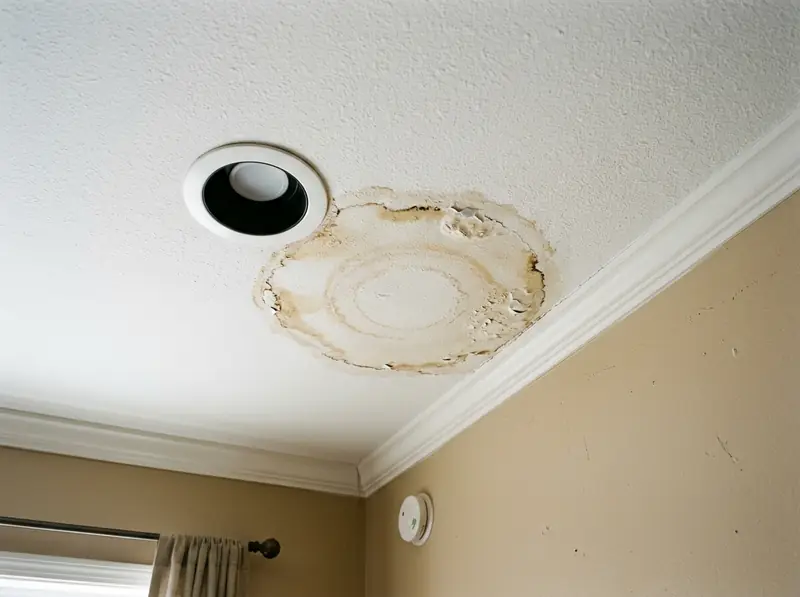
Winter and spring storms leave marks. Use this checklist for pine needles, pipe boots, gutters and shingle seals, or call (615) 647-8320 for a roof check.
Performing a comprehensive spring roof maintenance audit prepares your Sumner County home for Middle Tennessee's active severe weather season (peak convective hail and wind from March through June). An effective spring maintenance protocol encompasses clearing winter debris from valleys, inspecting chimney flashings for mortar cracking, flushing gutters and downspouts, checking rubber pipe boots for UV ozone splitting, and trimming overhanging tree branches back 10 feet. Catching minor wear in early spring prevents costly emergency leaks during intense convective downpours.
Why Spring Maintenance is Vital in Middle Tennessee
Middle Tennessee winters — characterized by fluctuating freeze-thaw cycles on the Highland Rim and heavy late-winter rainfall — degrade roofing materials silently. When March arrives, the atmospheric storm season begins abruptly. Strong straight-line wind gusts (exceeding 60 mph) and convective hail squalls will immediately exploit any unsealed shingle tabs, clogged gutters, or cracked pipe boots.
Spending one afternoon on a structured spring roof audit protects your home's structural integrity, preserves manufacturer warranty compliance, and avoids expensive interior water damage claims.
The 6-Step Spring Roof Maintenance Checklist
Follow this systematic inspection sequence to ensure your roof is storm-ready:
- 01
Clear Valley Debris & Low-Slope Accumulations
Winter storms and autumn leaves accumulate in roof valleys and behind chimney saddles. Wet leaves create organic dams that trap standing water, causing moisture to wick upward under shingle laps. Carefully sweep or blow valleys clear of leaves, pine needles, and decaying twigs.
- 02
Inspect & Replace Neoprene Rubber Pipe Boots
Plumbing vent pipes penetrate the roof deck and are sealed with flexible rubber pipe collars. In Middle Tennessee's intense solar climate, ultraviolet radiation and ozone degrade standard neoprene rubber within 6 to 8 years, causing the rubber collar to crack and split. Replacing weathered collars with silicone slip-covers or heavy lead boots eliminates the #1 cause of small ceiling leaks.
- 03
Flush Gutters & Extend Downspouts
Clean winter silt, helicopter seed pods, and pine needles from all seamless aluminum gutters. Flush gutters with a hose to verify positive slope toward downspouts. Ensure downspout extensions discharge water at least 5 to 6 feet away from the foundation to prevent basement water intrusion and foundation settling.
- 04
Examine Chimney Counter-Flashing & Mortar Reglets
Inspect the metal flashings around brick chimneys using binoculars. Check for cracked mortar joints, loose counter-flashing metal, or degraded caulk. If you notice crumbling mortar or loose metal, schedule a professional re-flashing before spring rains begin.
- 05
Trim Overhanging Hardwood Limbs (10-Foot Buffer)
Mature oak, maple, and hickory limbs hovering over your roof represent major hazards during spring storms. Wind gusts cause heavy branches to scrape across shingles, stripping mineral granules and breaking fiberglass mats. Cut all tree branches back to maintain a minimum 10-foot clearance from all roof planes.
- 06
Perform an Interior Attic Inspection
Take a flashlight into the attic during a bright sunny afternoon. Look for daylight penetrating around chimney walls, ridge lines, or plumbing stacks. Check the underside of the roof decking for dark water staining, mold mildew spots, or wet insulation batts.
Spring Maintenance Action Matrix & Diagnostic Frequency
Review the maintenance schedule below to keep your roof operating at peak efficiency:
| Roof Component | Inspection Frequency | Common Spring Failure Sign | Corrective Maintenance Action |
|---|---|---|---|
| Plumbing Pipe Boots | Every Spring (Annual) | Cracked, dry-rotted rubber collar collar | Install UV-resistant silicone collar or replace boot |
| Seamless Gutters & Downspouts | Spring & Late Autumn | Standing water, sagging brackets, clogged downspouts | Clean debris, re-slope gutter hangers, extend outlets |
| Roof Valleys & Crickets | Every Spring | Wet leaf dams, silt accumulation | Gently sweep clear; inspect valley metal lining |
| Chimney Step & Counter-Flashing | Every 2 Years | Cracked mortar reglet joint, peeling sealant | Re-point mortar, seal with polyurethane masonry caulk |
| Exposed Fastener Metal Screws | Every 3 to 5 Years | Backed-out screws, cracked neoprene washers | Replace with oversized screws and fresh EPDM washers |
| Attic Soffit Baffles | Every 2 Years | Insulation blown over eave intake vents | Install rigid rafter baffles to restore airflow |
Safety First: DIY Ground Audits vs. Professional Roof Audits
While cleaning gutters from a secure ladder and inspecting attic rafters are safe homeowner tasks, walking steep roof slopes carries severe safety risks:
In communities with steep 8:12 to 12:12 roof slopes (common in Hendersonville, Gallatin, and White House), walking roof planes without OSHA-compliant fall protection gear, safety harnesses, and specialized footwear is dangerous. Professional roofing contractors utilize high-resolution aerial drone photography or OSHA safety gear to inspect high ridges, valley liners, and chimney saddles safely.
Tennessee Contractor Licensing Verification
If your spring audit reveals that major repairs or full replacement is required, always verify that your contractor is properly licensed. In Tennessee, contracts of $25,000 or more legally require a licensed General Contractor (BC or BC-A classification), verifiable at verify.tn.gov.
Post-Winter Freeze-Thaw Structural Inspection Protocol
Following winter's freeze-thaw cycles and preceding Middle Tennessee's intense spring thunderstorm season, property owners should execute a comprehensive exterior and interior roofing evaluation:
- Chimney Counterflashing Mortar Joint Integrity: Inspect masonry chimney flashings where lead or galvanized steel counterflashing enters mortar joints. Thermal contraction often dislodges polyurethane caulk or mortar tuck-pointing, allowing water to track behind the metal.
- Valley Metal & Transition Seams: Open metal valleys and shingle-to-wall kickout flashing intersections must be cleared of pine needles, sweetgum balls, and accumulated sediment that obstruct laminar water runoff.
- Attic Rafter Dew-Point and Moisture Verification: Enter the attic crawlspace on a sunny spring morning to inspect the underside of roof decking for black mold staining, rusted roofing nail tips (frost shiners), or delaminated OSB sheets caused by inadequate winter attic exhaust.
- Drip Edge & Gutter Apron Alignment: Confirm that eave drip edges discharge cleanly into gutter troughs rather than allowing capillary tension to draw water back against wooden fascia boards.
Frequently Asked Questions About Spring Roof Maintenance
Never pressure wash asphalt shingles. The high-pressure water stream instantly strips the protective ceramic-coated mineral granules from the shingle surface, gouging the asphalt mat and cutting shingle lifespan in half. For algae and moss, use specialized low-pressure chemical soft-washing solutions.
We recommend a professional roof audit every two years for roofs under 10 years old, and annually for roofs older than 10 years. Additionally, schedule an inspection immediately following any confirmed severe hail or wind storm in your Sumner County neighborhood.
Gutters often overflow during torrential Middle Tennessee downpours because they are undersized. Standard 5-inch gutters cannot keep up with high-volume runoff from steep, expansive roof planes. Upgrading to 6-inch seamless aluminum gutters with oversized 3x4-inch downspouts increases water drainage capacity by over 40%.
Next Steps & Related Roofing Guides
Related Sumner County Roofing Guides: Continue reading Gutter Cleaning Schedule for Middle Tennessee Homes and Tree Trimming & Roof Health: Why Overhanging Limbs Matter.