Class 4 shingles survive a 2-inch steel ball dropped from 20 feet. See if they are worth it for Tennessee hail, then price yours: (615) 647-8320.
Class 4 impact-resistant shingles represent the highest laboratory rating for hail resistance under the Underwriters Laboratories UL 2218 test standard, engineered to withstand a 2-inch steel ball dropped from 20 feet twice in the exact same location without cracking the shingle's asphalt backing. Manufactured with Styrene-Butadiene-Styrene (SBS) polymer-modified rubberized asphalt, Class 4 shingles flex under kinetic hail impacts rather than fracturing. For Sumner County homeowners in Middle Tennessee's active hail corridor, upgrading to Class 4 shingles dramatically reduces storm leak risks and may qualify for carrier-specific insurance premium discounts.
The Science of UL 2218: How Class 4 Impact Shingles Are Tested
To achieve a formal Class 4 rating, roofing shingles must undergo rigorous standardized testing administered by independent laboratories such as Underwriters Laboratories (UL 2218) or FM Approvals (FM 4473):
- 01
The Steel Ball Drop Protocol
The UL 2218 test protocol subjects full-size shingle test panels to kinetic impact testing. A solid 2.0-inch diameter steel ball weighing 1.15 pounds is dropped through a vertical guide tube from a height of 20 feet, striking the shingle surface with approximately 27 foot-pounds of kinetic energy.
- 02
Double-Drop Precision & Mat Inspection
The test mandates dropping the steel ball twice in the exact same spot on the shingle. Following impact, certified technicians examine the shingle's underside under high magnification. To pass, the shingle must exhibit zero tears, cracks, fissures, or penetrations in the asphalt mat backing.
- 03
SBS Polymer-Modified Asphalt Composition
Standard asphalt shingles utilize oxidized bitumen that becomes hard and brittle in cold weather and soft in intense heat. Class 4 shingles (such as Malarkey Legacy, Owens Corning Duration FLEX, or CertainTeed NorthGate) blend raw asphalt with SBS synthetic rubber polymers. This elastomeric modification creates a rubber-like resilience that absorbs and disperses kinetic shock waves without fracturing.
- 04
Heavy-Duty Reinforcing Scrim
Many Class 4 products incorporate an embedded woven polyester or polymeric scrim backing laminated to the shingle's underside, preventing tears even if intense hail impacts dislodge surface granules.
UL 2218 Impact Resistance Classification Matrix
The table below illustrates the four standardized UL 2218 impact performance tiers:
| UL 2218 Rating | Steel Ball Diameter | Drop Height | Kinetic Energy Delivered | Simulated Hail Diameter |
|---|---|---|---|---|
| Class 1 (Basic) | 1.25 Inches | 12 Feet | 4.1 Foot-Pounds | Small Hail (~1.0 Inch Pea/Dime) |
| Class 2 (Moderate) | 1.50 Inches | 15 Feet | 8.0 Foot-Pounds | Moderate Hail (~1.25 Inch Quarter) |
| Class 3 (Heavy) | 1.75 Inches | 17 Feet | 13.6 Foot-Pounds | Severe Hail (~1.50 Inch Ping Pong) |
| Class 4 (Severe-Duty) | 2.00 Inches | 20 Feet | 26.9 Foot-Pounds | Destructive Hail (~2.00 Inch Golf Ball+) |
Homeowner Insurance Premium Discounts in Tennessee: Hedging Rules
One of the most frequently asked questions regarding Class 4 shingles is whether they qualify for discounts on homeowner insurance policies:
Many major insurance carriers operating in Tennessee offer annual premium discounts for homes with verified Class 4 impact-resistant roofing. However, property owners must understand that insurance discounts are carrier- and policy-specific, subject to individual underwriting guidelines, and are not automatic or guaranteed by state law.
Furthermore, some insurers require homeowners to sign a "Cosmetic Damage Waiver" endorsement to receive the maximum discount. A cosmetic waiver specifies that the insurer will not pay to replace shingles if future hail causes only surface dimpling without functional leaks. Homeowners should consult their licensed insurance agent directly to review available policy endorsements and specific discount percentages prior to selecting materials.
Is a Class 4 Shingle Upgrade Right for Your Sumner County Home?
Upgrading to Class 4 impact shingles typically adds $40 to $80 per square ($1,100 to $2,200 on an average 28-square roof) over standard architectural shingles. For homeowners residing in Sumner County severe thunderstorm corridors — including open ridge terrain in White House and Portland or lake-effect squall paths in Hendersonville and Gallatin — Class 4 shingles offer immense value:
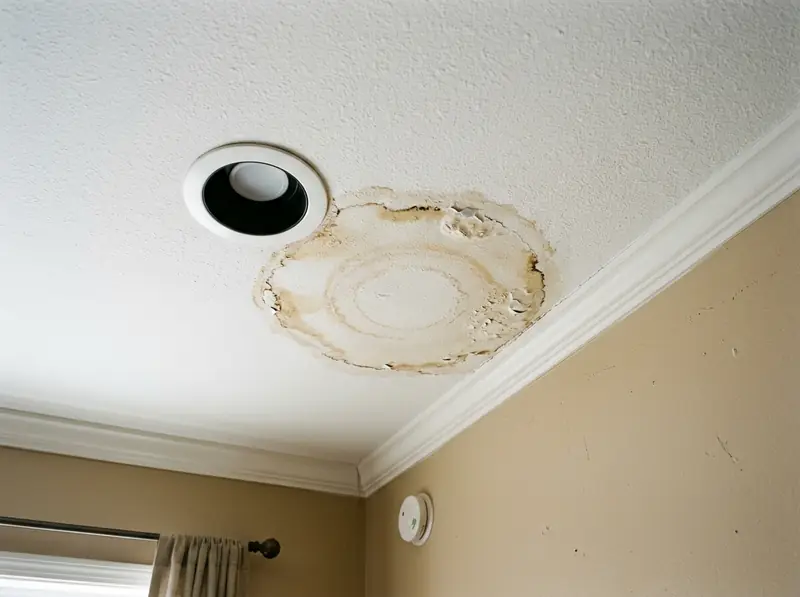
- Reduced Likelihood of Emergency Leaks: Rubberized asphalt shingles absorb 1.5-inch to 1.75-inch hail without mat bruising, preventing ceiling leaks.
- Superior Wind Resistance: Most SBS Class 4 shingles achieve ASTM D7158 Class H 130 mph wind ratings, resisting lifted tabs during convective downbursts.
- Cold-Weather Flexibility: SBS polymers maintain elasticity in freezing temperatures, preventing cracking during winter installation or Highland Rim freezes.
Return on Investment & Life-Cycle Cost Analysis
Evaluating the return on investment for a Class 4 impact-resistant shingle upgrade involves analyzing both immediate insurance benefits and avoided future deductibles:
- Avoiding Out-of-Pocket Deductibles: With typical homeowner insurance deductibles ranging from $1,500 to $3,500 (or 1% to 2% of home dwelling coverage), avoiding a single hail claim over a 15-year period more than covers the initial $1,200 to $1,800 Class 4 material upgrade cost.
- Long-Term Polymer Elasticity: Because SBS rubberized polymers do not dry out or embrittle as rapidly as oxidized standard asphalt, Class 4 shingles maintain superior granular adhesion and flexibility, extending functional roof life to 25 to 30 years in Middle Tennessee heat.
- Enhanced Resale Marketability: Documented Class 4 impact-resistant roofs appeal strongly to out-of-state buyers relocating to Middle Tennessee who are concerned about regional severe weather, providing valuable buyer peace of mind.
- Municipal Permitting Verification: Licensed contractors pull required building permits to verify that Class 4 assemblies comply with municipal building codes and manufacturer high-wind installation guidelines.
Frequently Asked Questions About Class 4 Shingles
Following installation, your licensed roofing contractor provides an official "Proof of Installation Certification" form along with manufacturer shingle packaging labels verifying the UL 2218 Class 4 rating. You submit this certificate directly to your insurance company's underwriting department to apply for policy discounts.
Yes. While Class 4 shingles withstand 2-inch hail without fracturing the asphalt backing, catastrophic supercell storms producing baseball-sized hail (2.5"+) or hail accompanied by 80+ mph straight-line winds can still dislodge granules, crease tabs, or damage underlying decking.
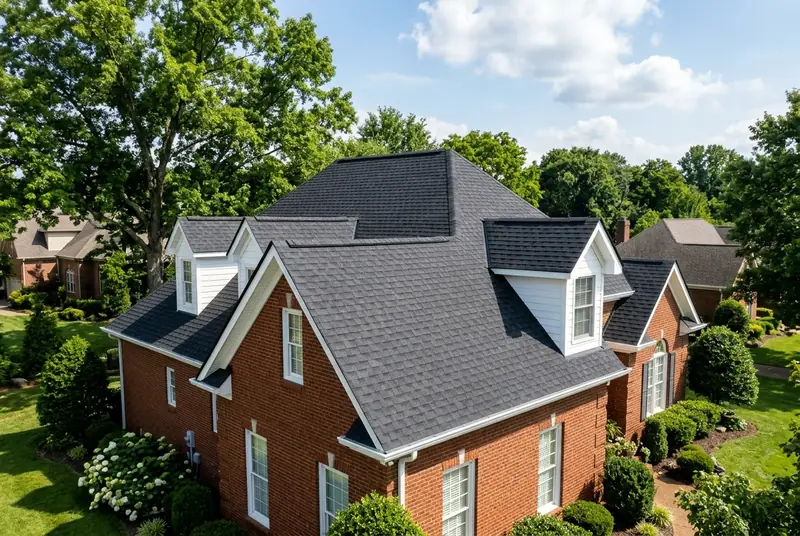
No. Class 4 shingles feature the same dimensional laminated appearance, decorative shadow lines, and popular architectural color blends (such as Weathered Wood, Charcoal, and Barkwood) as standard architectural shingles. The rubberized SBS technology is integrated directly into the asphalt chemistry without altering visible exterior curb appeal.
Next Steps & Related Roofing Guides
Related Sumner County Roofing Guides: Continue reading Standing Seam vs. Corrugated Metal Roofing in Tennessee and Can You Install a Metal Roof Over Shingles in Tennessee?.